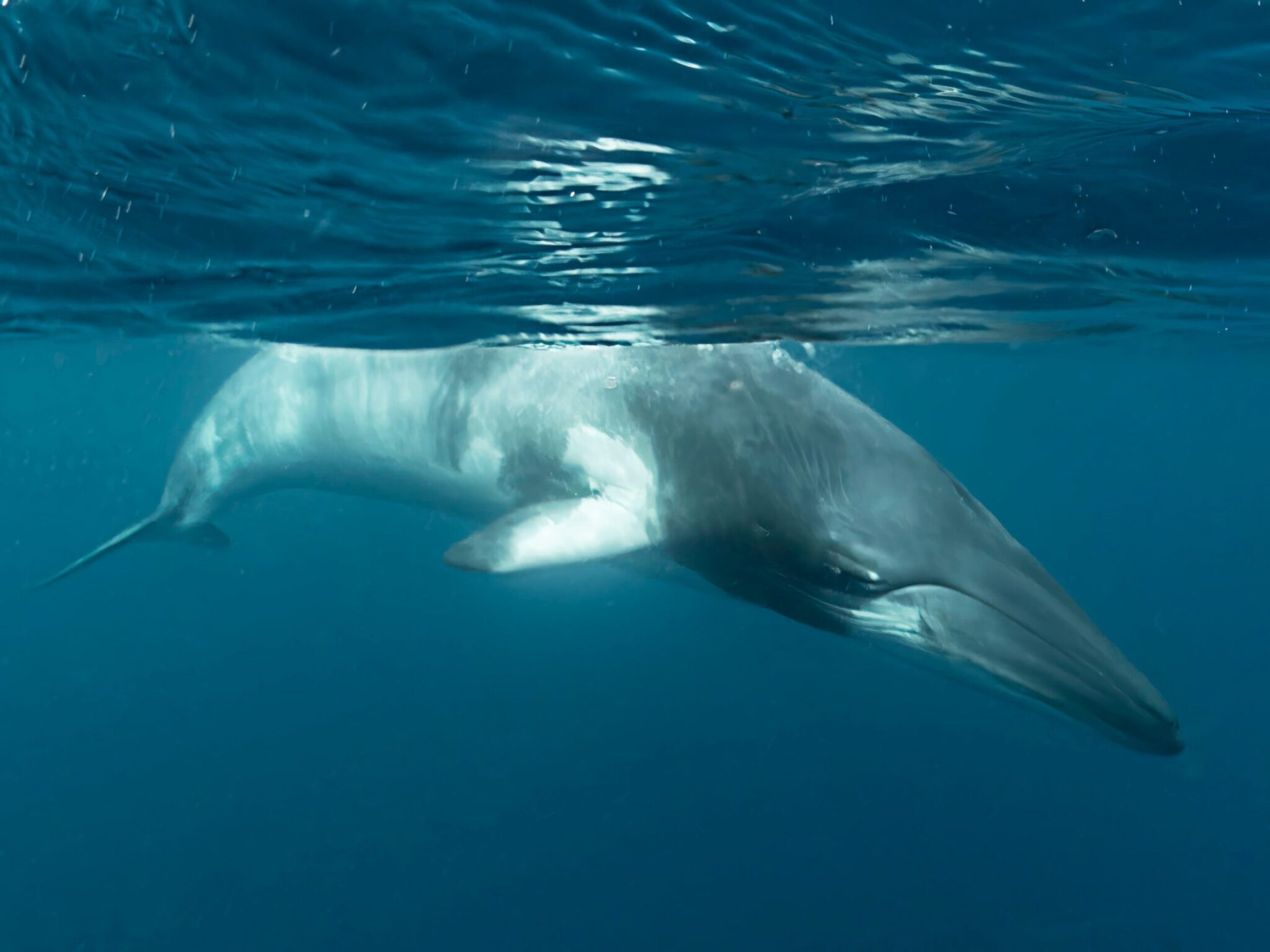
Minke Whales
Plan a luxury private yacht charter from Port Douglas around dwarf minke whale season on the Great Barrier Reef, Australia with YOTSPACE.
Nature Calendar
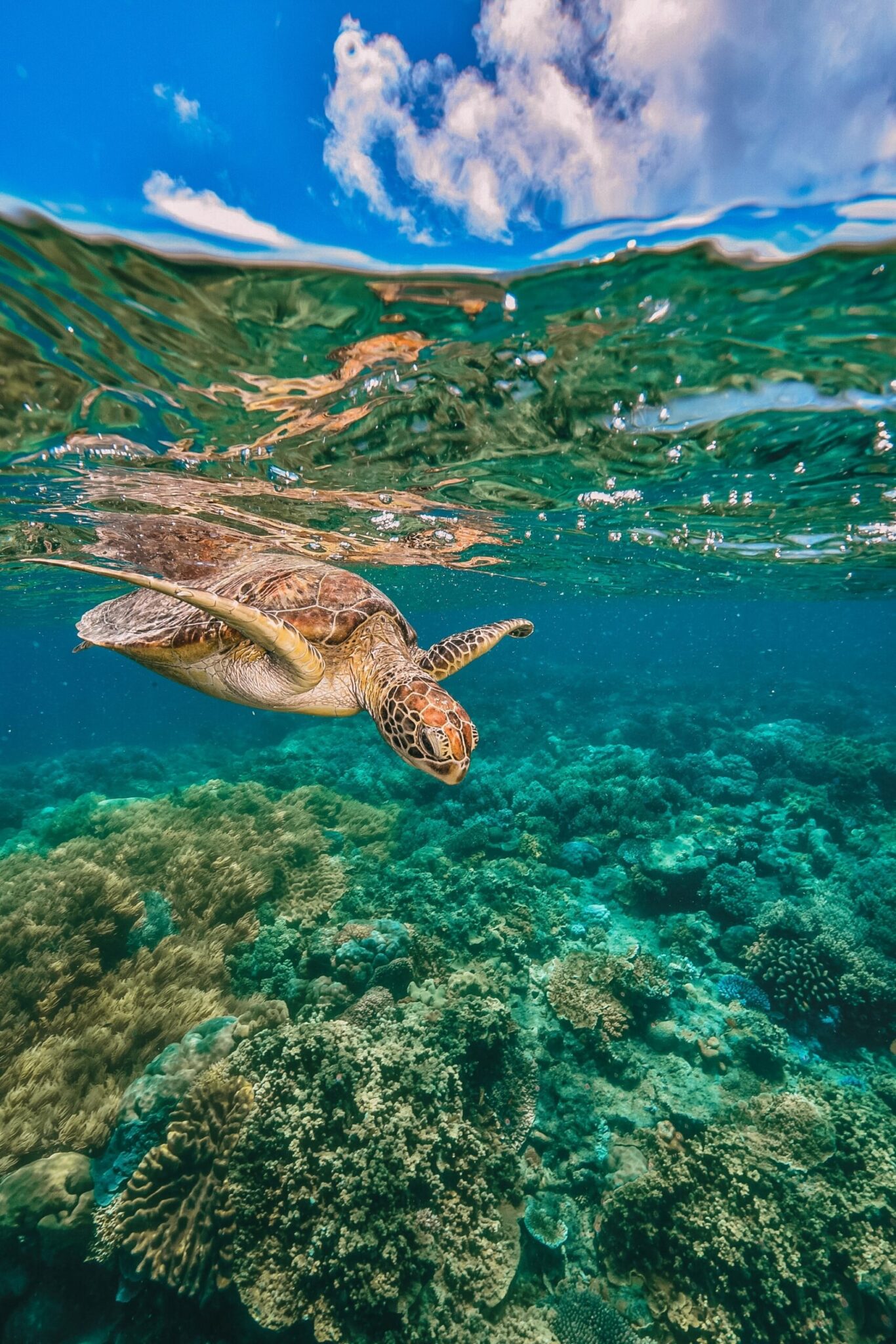
Plan your private yacht charter around one of the reef’s most quietly extraordinary natural experiences. From turtle nesting on remote islands and hatchling season to peaceful in-water encounters, turtles bring a softer, more intimate dimension to luxury yachting.
Sea turtles inhabit many of the tropical and subtropical destinations explored by YOTSPACE, including Australia’s Great Barrier Reef and Ningaloo Coast, the islands of the South Pacific, the Maldives, Seychelles and parts of Southeast Asia. Depending on the destination and season, guests may encounter turtles while snorkelling or diving, observe nesting under carefully managed conditions, witness hatchlings beginning their journey to the sea or visit recognised rehabilitation and conservation programs.
A private yacht creates the freedom to explore several reef systems, islands and turtle habitats within one journey. Your captain can adapt the itinerary around weather, water clarity, local access and wildlife conditions rather than following a rigid group-tour schedule. Smaller guest numbers, private tenders and personalised in-water support also allow the experience to unfold at a more considered pace.
Nature’s Calendar helps YOTSPACE identify the destinations and seasonal windows offering the strongest natural opportunities. Wildlife remains unpredictable, so turtle sightings, nesting and hatching can never be guaranteed. Every itinerary is planned around responsible access and the protection of the turtles, beaches and marine habitats guests have travelled to experience.
Private yacht guests may encounter turtles while snorkelling, diving, exploring reef islands, visiting managed nesting beaches or participating in conservation-led activities. The right experience depends on the destination, season, yacht and local environmental controls.
| Turtle encounter | What guests may experience | Best suited to |
| Swimming with turtles | Seeing turtles feeding, resting or moving naturally through coral reefs, lagoons and seagrass habitat | Families, couples and snorkellers |
| Diving with turtles | Encounters around reef walls, channels, coral gardens and deeper resting sites | Certified divers |
| Turtle nesting | Observing adult females return to shore to prepare nests and lay eggs | Wildlife travellers and photographers |
| Turtle hatching | Watching hatchlings emerge and move towards the ocean | Families and conservation-focused guests |
| Rehabilitation visit | Learning about turtle rescue, veterinary care, recovery and release | Families, educational groups and responsible travellers |
| Conservation-led island visit | Visiting protected habitat with rangers, researchers or community guides | Guests seeking a deeper connection with the destination |
A private yacht provides more than transport to a reef or island. It becomes a flexible base from which guests can explore several possible turtle habitats while enjoying personalised service, privacy and activities matched to their interests.
Depending on the yacht and destination, a turtle-led charter may include:
The captain and crew can adjust the journey as conditions change, but the itinerary must always respect local marine park regulations, island access requirements and wildlife-protection guidelines.
Turtles can be encountered across many YOTSPACE charter destinations, but there is no single global turtle season. Nesting and hatching windows change according to species, latitude, island conditions, water temperature and regional breeding populations.
| Region | Potential turtle experiences | Broad planning window | Best charter style |
| Great Barrier Reef, Australia | Snorkelling, diving, nesting, hatching and rehabilitation visits | Nesting generally during the Southern Hemisphere summer; hatchlings commonly emerge from late January through April; in-water encounters may occur more broadly | Day charters, reef expeditions and yacht-and-island itineraries |
| Ningaloo Coast, Western Australia | Reef encounters, nesting, hatching and guided education programs | Nesting activity generally from November or December through March | Multi-day coastal and expedition charters |
| South Pacific | Lagoon encounters, fringing reefs, nesting islands and community conservation experiences | Varies substantially by island nation and species; local verification is essential | Multi-day island and cultural itineraries |
| Maldives | Snorkelling, diving, nesting and occasional hatchling encounters | In-water encounters are possible throughout the year; nesting varies by island and species | Multi-atoll private yacht itineraries |
| Seychelles | In-water encounters, protected nesting beaches and conservation-led island visits | On Desroches, Hawksbill nesting is strongest from approximately September to March and Green turtle nesting from January to September; timing varies elsewhere | Island-hopping luxury yacht charters |
| Indonesia and Southeast Asia | Reef encounters, diving and selected nesting destinations | Timing varies between archipelagos and individual islands | Expedition yachts and private liveaboard charters |
Australia offers one of the widest combinations of turtle experiences, including reef snorkelling, diving, nesting, hatching and recognised rehabilitation programs.
Six of the world’s seven marine turtle species occur within the Great Barrier Reef World Heritage Area. Turtle hatchlings commonly emerge from late January through April, although nesting and hatching periods vary across the length of the Reef.
Potential private yacht regions include the Cairns and Port Douglas reef systems, Fitzroy Island, the Whitsundays, the Southern Great Barrier Reef and selected remote islands and cays.
On the Ningaloo Coast, Green, Hawksbill and Loggerhead turtles nest along the coastline. Nesting activity may begin in November, with guided turtle education programs generally operating from December through March.
The South Pacific offers turtle encounters across lagoons, fringing reefs, remote islands and culturally significant marine environments. Potential destinations include Fiji, French Polynesia, Vanuatu, Tonga, Samoa, the Cook Islands, New Caledonia, Solomon Islands and Papua New Guinea.
Timing must be confirmed for each island nation rather than reduced to one South Pacific season. Local conservation requirements and the cultural importance of turtles must also guide how encounters are planned.
A private yacht can combine several islands, reef systems and community-led experiences within one journey, making the South Pacific particularly suited to longer turtle-focused itineraries.
The Maldives is particularly strong for in-water encounters. Five marine turtle species have been recorded, although Hawksbill and Green turtles are the species most commonly seen.
Hawksbill turtles are associated with coral reef habitat, while Green turtles may be encountered around seagrass feeding areas and selected nesting beaches. A private yacht can cruise between several atolls, allowing guests to combine snorkelling, diving, marine-biology experiences and conservation visits.
Nesting and hatching should be treated as possible additions rather than guaranteed components of a Maldives itinerary.
Seychelles offers both in-water encounters and access to important protected nesting islands. Seasonal timing differs between turtle species and individual islands.
On Desroches, Green turtle nesting occurs primarily from January to September, while Hawksbill nesting is strongest from approximately September to March. A private yacht charter can combine several marine parks, islands and reef habitats, subject to local conservation and access controls.
Indonesia offers turtle encounters throughout its vast network of islands, reefs and channels. The Derawan Archipelago is an important nesting and marine habitat for Green and Hawksbill turtles, with potential encounters around Derawan, Maratua and Sangalaki.
Private expedition yachts are well suited to Indonesia because they allow guests to explore remote reef systems and islands where shore infrastructure may be limited. Exact turtle timing and access requirements should be verified through experienced local operators before the itinerary is confirmed.
Turtle nesting, hatching and in-water encounters are separate natural events. Each requires different timing, destinations and conservation precautions.
Turtle nesting begins when adult females return to suitable beaches to lay their eggs. Most nesting takes place after dark, and turtles may abandon an attempted nest if disturbed by lights, noise, people or physical obstacles.
Nesting should only be observed under local guidance. Guests must remain behind the turtle, stay quiet, avoid blocking her route and never use flash photography. Yacht and tender lighting should also be directed away from active nesting beaches.
The experience can involve long periods of waiting because turtles do not follow a charter timetable. A responsible journey preserves that uncertainty rather than attempting to force an encounter.
Hatching occurs several weeks after the eggs are laid, when hatchlings emerge from beneath the sand and move instinctively towards the ocean.
Artificial lights from yachts, tenders, phones, torches or beach installations can draw hatchlings away from the sea. Furniture, equipment, deep footprints and sand structures can also become obstacles.
Hatchlings should not be picked up, carried or held for photographs. They should be allowed to cross the beach and enter the ocean naturally unless a qualified conservation professional determines that assistance is required.
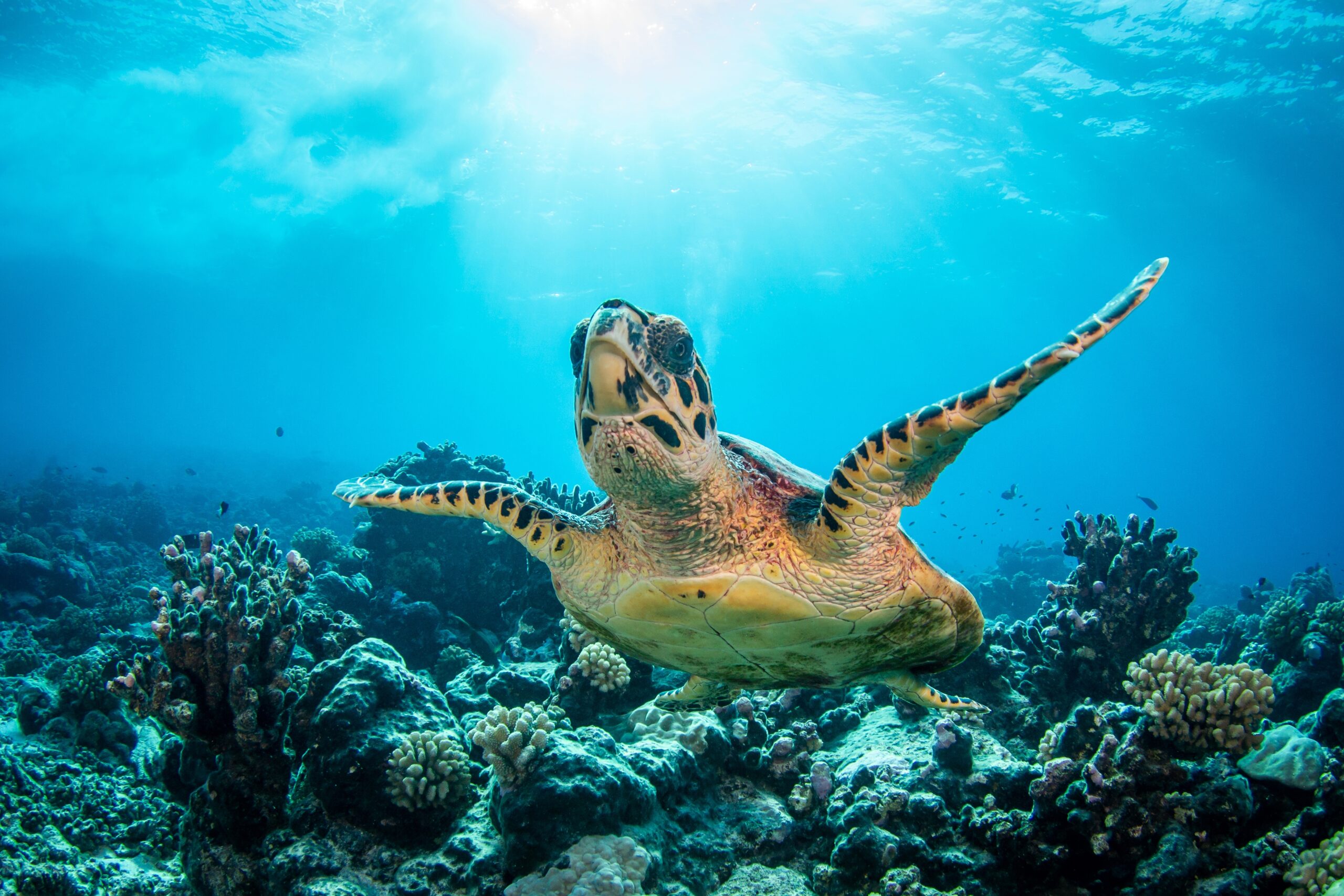
Swimming with turtles should mean entering a natural habitat where turtles feed, rest or travel without pursuing or controlling them.
A responsible in-water encounter requires guests to:
Official tourism guidance recommends a minimum distance from turtles and specifically advises guests not to touch, chase or disturb their feeding and resting behaviour.
A turtle rehabilitation visit gives guests insight into the threats turtles face and the work required to return injured animals to the ocean.
Recognised rehabilitation programs may treat turtles affected by vessel strikes, fishing gear, marine debris, illness or buoyancy disorders. Guest access should focus on education and conservation rather than handling animals or creating entertainment from their condition.
In Australia, the Cairns Turtle Rehabilitation Centre on Fitzroy Island can add a meaningful conservation component to a Cairns-based yacht charter. In the Maldives, the Olive Ridley Project operates research, rescue and rehabilitation programs in several atolls.
Seven marine turtle species exist worldwide, and six occur within the Great Barrier Reef World Heritage Area. The species most relevant to YOTSPACE destinations include Green, Hawksbill, Loggerhead, Flatback, Olive Ridley and Leatherback turtles.
| Turtle species | Distinguishing features | Relevant YOTSPACE regions |
| Green turtle | Large rounded shell; adults commonly feed on seagrass and algae | Australia, South Pacific, Maldives, Seychelles and Southeast Asia |
| Hawksbill turtle | Narrow pointed beak and patterned overlapping shell plates | Coral reef regions across Australia, the South Pacific, Maldives, Seychelles and Indonesia |
| Loggerhead turtle | Broad head and powerful jaw | Australia and selected Indian and Pacific Ocean regions |
| Flatback turtle | Flatter shell profile and restricted Australian distribution | Northern and western Australia |
| Olive Ridley turtle | Smaller, rounded turtle with an olive-toned shell | Tropical Indian and Pacific Ocean regions |
| Leatherback turtle | The world’s largest marine turtle, with a ridged, leathery shell | Wider oceanic areas; rarely a core reef-charter encounter |
The best place to swim with turtles is a healthy reef, lagoon or seagrass habitat where turtles are naturally resident. Australia’s Great Barrier Reef, Ningaloo, the Maldives, Seychelles and selected South Pacific and Indonesian destinations all offer potential in-water encounters, but exact conditions and sightings vary.
No. Turtle sightings, nesting and hatching cannot be guaranteed because turtles are wild animals and their behaviour depends on season, weather, water conditions and natural breeding cycles.
A private yacht provides greater flexibility to visit several appropriate habitats, but it cannot schedule wildlife.
No. Guests should never touch, feed, hold, ride or chase a turtle. In-water encounters should remain passive, and the turtle must always have a clear route to the surface and away from swimmers. Turtle hatchlings should not be handled and should be allowed to cross the beach and enter the ocean naturally.
Not always. Some beaches are closed or restricted during breeding season, while remote beaches may contain unmarked nests. Guests should only enter known turtle habitat after confirming local rules and receiving guidance from the crew, ranger or responsible community.
Yes. Private yachts can accommodate guests with different ages and abilities through supported snorkelling, tender observations, conservation visits, rehabilitation-centre experiences and island programs. The most suitable activities depend on the yacht, destination, sea conditions and individual guest needs.
Start with the experience that matters most: snorkelling with turtles in their natural habitat, visiting a nesting island, witnessing hatchling season, supporting a rehabilitation program or combining several turtle experiences within a longer voyage.
YOTSPACE will then help identify the right destination, seasonal window, yacht and itinerary length while ensuring the experience remains responsible, realistic and conservation-led.
Plan a luxury private yacht charter from Port Douglas around dwarf minke whale season on the Great Barrier Reef, Australia with YOTSPACE.
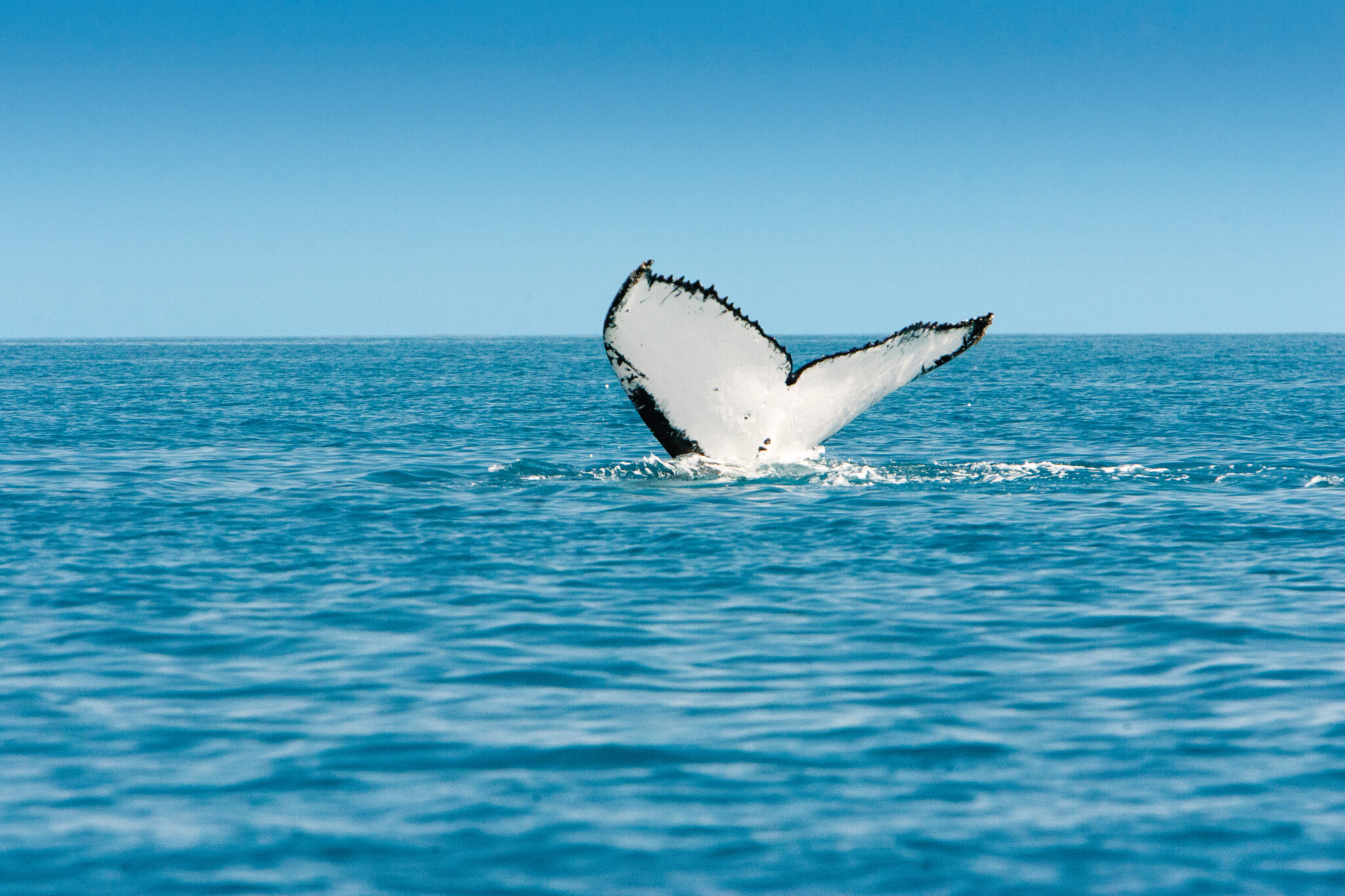
Plan your private yacht charter around one of the ocean’s greatest seasonal migrations - the humpback whales in Australia and South Pacific.