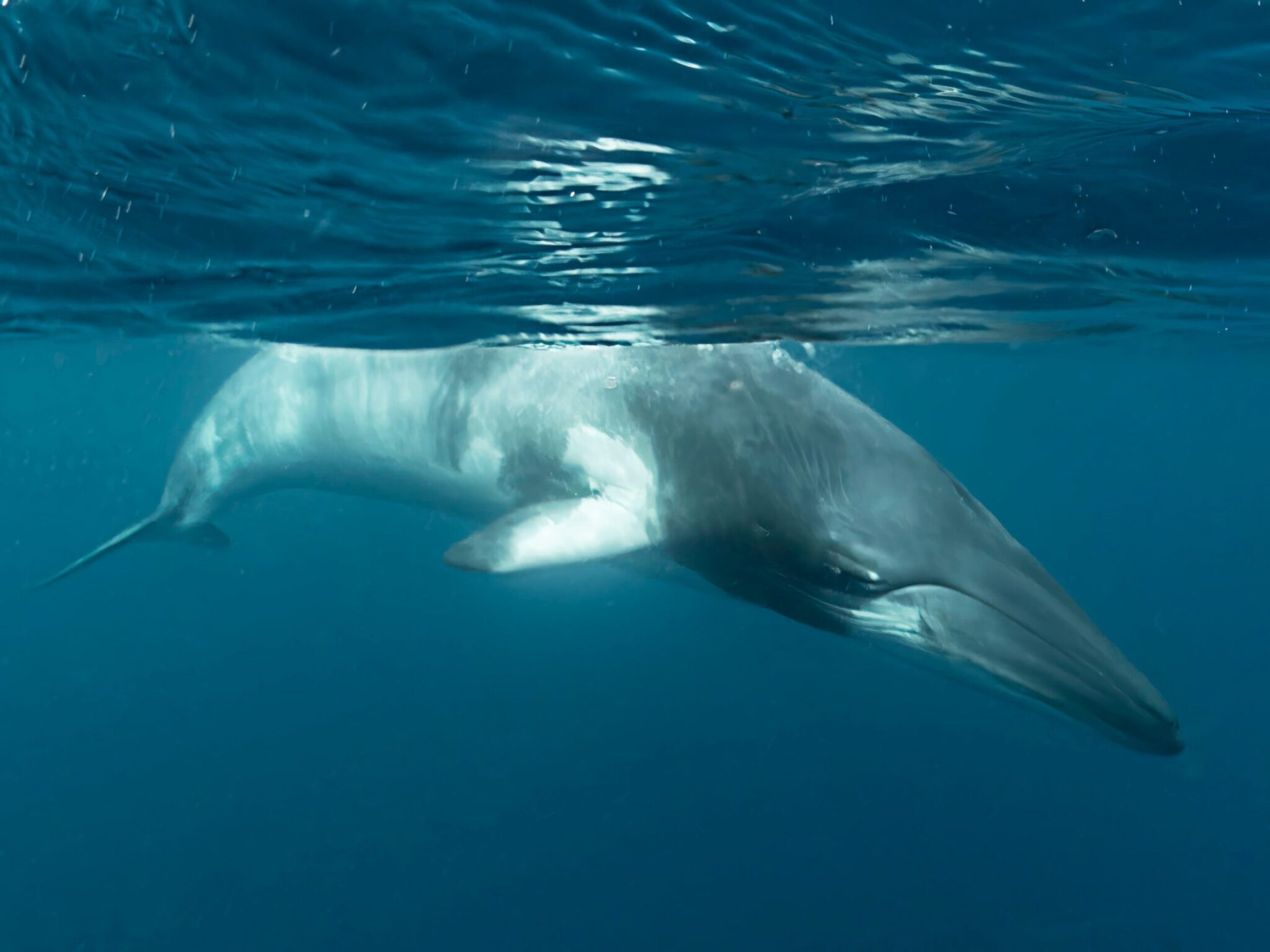
Minke Whales
Plan a luxury private yacht charter from Port Douglas around dwarf minke whale season on the Great Barrier Reef, Australia with YOTSPACE.
Nature Calendar
Plan your private yacht charter around one of the ocean’s greatest seasonal migrations. Each year, humpback whales undertake one of the natural world’s great migrations, leaving their Antarctic feeding grounds and travelling north along Australia’s coastlines and into the warmer waters of the South Pacific to breed, give birth and nurture their calves. Most whales travelling along eastern Australia migrate north from June to August and return south between September and November, although timing varies each year.
From the deck of a private yacht, the encounter becomes part of a much broader journey. A distant blow may appear while cruising between Whitsunday anchorages. A pod may surface during a passage along the Queensland coast. A mother and calf may rest in sheltered waters before continuing south.
A private yacht provides the freedom to experience whale season at a more considered pace, combining spacious viewing decks and personalised service with islands, reefs, secluded anchorages and a journey designed entirely around your guests. Humpback whales remain wild animals. Sightings, proximity and behaviour can never be guaranteed. YOTSPACE plans each charter around the strongest seasonal opportunity while ensuring that the whales’ migration, resting, breeding and care of their calves are never disturbed.
Humpback whales can be encountered along both Australia’s eastern and western coastlines and throughout several South Pacific breeding regions.
In Australia, the east-coast migration connects Sydney, the Gold Coast, Moreton Bay, the Whitsundays, the Great Barrier Reef and Hervey Bay. On the west coast, whales travel between southern waters, Ningaloo and the Kimberley.
Across the South Pacific, they return to warm island waters around destinations including Fiji, New Caledonia, French Polynesia and Tonga.
Humpback whales travel thousands of kilometres between cold southern feeding grounds and warm northern breeding waters. They spend the warmer months feeding around Antarctica before migrating north to mate, give birth and nurture their calves.
Their migration creates a seasonal connection between many of YOTSPACE’s charter regions. A whale observed off Sydney may continue north past Queensland towards the Great Barrier Reef before later returning south. Other populations follow Western Australia’s coastline or move into the breeding grounds of Oceania.
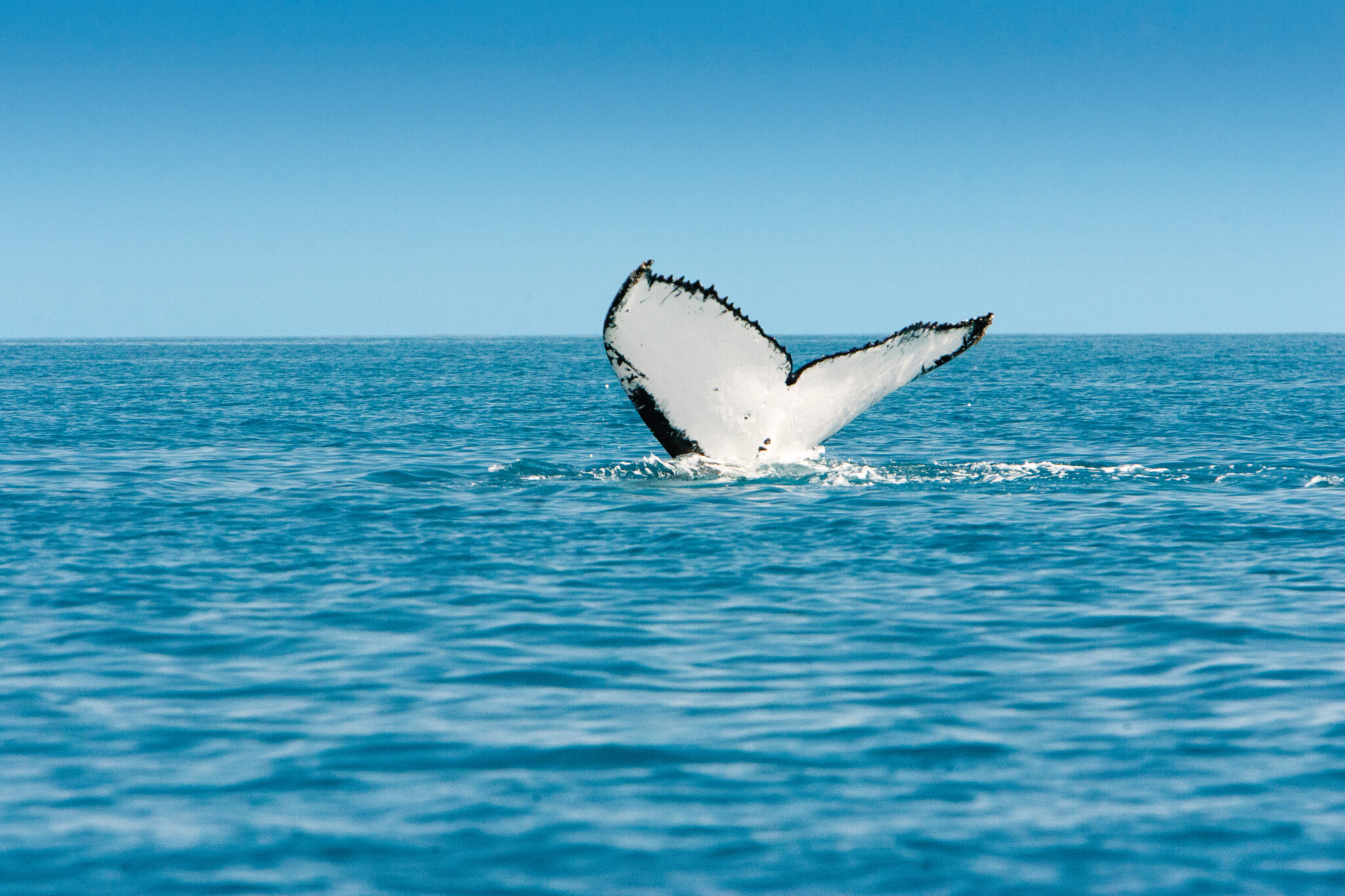
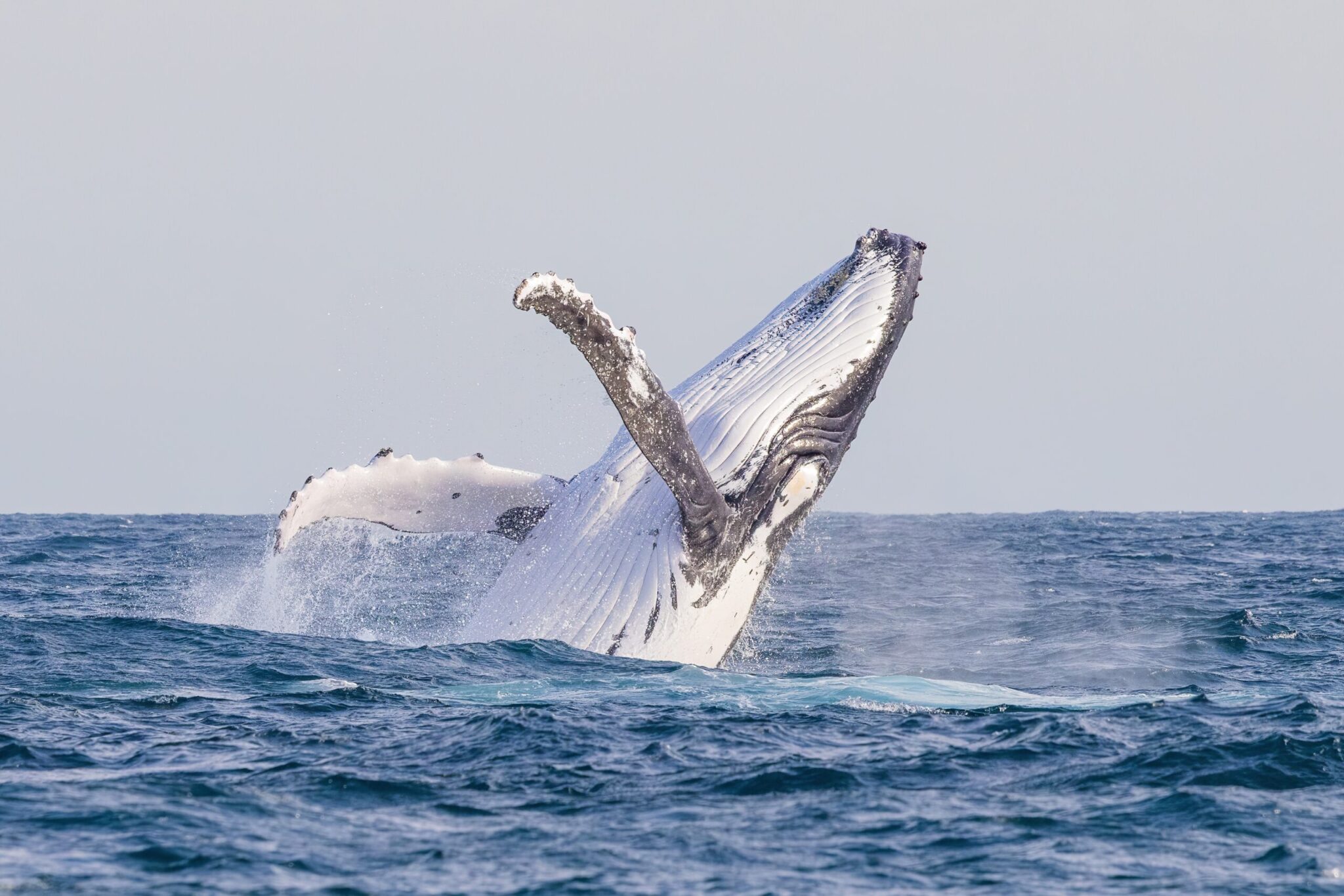
Humpbacks are also known for highly visible surface behaviour. Guests may witness breaches, tail slaps, pectoral-fin slaps, spyhopping or the distinctive arc of a whale lifting its tail before a deeper dive.
No behaviour can be predicted. The most meaningful encounters are those that happen naturally while the yacht maintains a respectful position and allows the whales to continue their journey.
The Southern Hemisphere humpback season generally extends from late autumn into spring. Exact timing differs between migration routes, breeding grounds and individual destinations.
| Private charter region | Potential whale experience | Broad planning window | Best charter format |
| Sydney and Australia’s east coast | Northbound and southbound migration sightings | May to November; most northbound whales travel from June to August and southbound whales from September to November | Private day charters and coastal passages |
| Gold Coast and Queensland coast | Migrating pods, surface behaviour and returning mothers with calves | Generally May to November; northbound movement is strongest from May to July | Private day charters and multi-day coastal charters |
| Whitsundays and Great Barrier Reef | Whales passing through island and reef cruising grounds | Northbound sightings commonly June–July; southbound sightings August–October | Three-to-seven-night private yacht charters |
| Hervey Bay and K’gari | Resting whales and mothers travelling with calves | Most sightings occur from July to October, extending into November in some seasons | Private yacht-and-destination itinerary |
| Western Australia | Northbound and southbound migration between the southwest, Ningaloo and Kimberley | Broadly May to December; northbound movement May–August and southbound movement September–November | Multi-day coastal and expedition charters |
| Fiji | Opportunistic migration sightings | Generally July to October | Multi-day private island charters |
| New Caledonia | Breeding and calving activity in the southern lagoon | Approximately mid-July to mid-September | Private lagoon and island-hopping charters |
| French Polynesia | Breeding, calving and nurturing of young | Generally July or August through November; September–October is particularly strong around Rurutu | Seven-night or longer private yacht itineraries |
| Tonga | Breeding grounds, mothers and calves, and licensed in-water experiences | Generally July to October | Private yacht journey combined with a licensed local whale operator |
Humpback whale encounters vary according to the destination, stage of migration and behaviour of the whales present. A private yacht can improve flexibility and viewing comfort, but it does not provide permission to approach more closely than other vessels.
Humpbacks are highly individual in their behaviour. A whale may remain below the surface, travel steadily, rest, approach a vessel on its own terms or display dramatic surface activity. Queensland guidance notes that breaches, blows, fin slaps and tail slaps may all be observed, but the animal must be given the space to behave naturally.
A private yacht allows guests to experience whale season as part of a complete luxury voyage rather than joining a fixed-duration sightseeing tour.
Depending on the yacht and destination, the private charter advantage may include:
The purpose of the yacht is not to pursue whales. It is to position guests within the right region and season, then allow any encounter to unfold naturally and responsibly.
Australia’s eastern humpback population migrates north mainly between June and August before returning south between September and November. Queensland’s northbound movement generally occurs from May to July, while Hervey Bay becomes particularly important on the southward journey, when mothers and calves enter its sheltered waters.
Along Western Australia, humpbacks move north from approximately May to August and return south from September to November, travelling between southern waters, Ningaloo and Kimberley breeding and calving areas.
Across the South Pacific, humpbacks return to warm breeding waters during winter and spring. Fiji identifies its main season as July to October, New Caledonia from approximately mid-July to mid-September, and French Polynesia broadly from July or August through November.
In-water encounters are only permitted in limited destinations and must operate under local laws, licences and management programs. Examples include licensed operations in Australia, Tonga and managed experiences along parts of Western Australia’s Ningaloo Coast.
Where swimming is not authorised, guests must remain onboard or use permitted observation methods. YOTSPACE will never improvise an in-water encounter outside an approved program.
Australia’s east-coast migration follows a broad route from southern New South Wales through Sydney, Southeast Queensland, the Whitsundays and the Great Barrier Reef.
The majority of whales travel north from June to August before returning south from September to November. This creates several opportunities to plan a private yacht charter around different stages of the migration.
Potential charter regions include:
Humpback whales commonly travel north through the Whitsundays during June and July before returning south between August and October. This makes the migration a natural part of winter and spring yacht charters through the islands. Guests may encounter whales while travelling between anchorages rather than joining a separate whale-watching excursion.
A Whitsundays journey can remain centred on Whitehaven Beach, reef snorkelling and secluded island anchorages, with the possibility of whales adding an unforgettable seasonal dimension.
Hervey Bay provides sheltered resting waters during the southward migration. Most sightings occur along the eastern side of the bay near K’gari between July and October, with mothers and calves becoming particularly relevant later in the season.
A Hervey Bay experience may be incorporated into a broader Queensland journey, subject to yacht access, marina arrangements and local operating conditions.
Western Australia offers a longer, more expedition-led whale-season journey. Humpbacks migrate north from southern waters towards Ningaloo and the Kimberley, then return south later in the year.
The state’s broad migration period extends from May to December, with opportunities varying between the southwest, Perth, Ningaloo and the northwest coast. Potential yacht regions include: the southwest coastline including Perth and Rottnest Island and North to Exmouth, Ningaloo and the Kimberley.
Western Australia is especially suited to guests wanting whale season combined with remote coastlines, reef systems and longer expedition-style itineraries.
The South Pacific is one of the most important warm-water breeding regions for Oceania humpback whales. Whales return to many of the same island waters each winter to breed, give birth and nurture their calves.
Potential YOTSPACE yacht charter regions include:
Each destination has its own season, regulations and style of encounter. They should not be treated as interchangeable.
Humpback whales pass through Fiji’s waters primarily from July to October. Sightings remain opportunistic and are best positioned as a seasonal addition to a wider private yacht itinerary through Fiji’s reefs and islands.
Humpback whales reach New Caledonia’s warmer waters from approximately mid-July to mid-September. The southern lagoon and Great South are among the region’s most relevant areas for seasonal sightings, breeding and calving.
Humpbacks generally visit French Polynesia from July to November to breed, give birth and care for their young. September and October are particularly important around Rurutu in the Austral Islands.
Depending on the yacht’s cruising program, whale-season journeys may also include Moorea, Tahiti, Bora Bora or other island groups.
Tonga permits commercial whale watching and swimming under specific legislation and licensing controls. The Vava‘u region is an established breeding area from approximately July to October. Guests cannot simply enter the water from a private yacht when whales appear. Any in-water encounter must be arranged through a licensed local whale operator and conducted under current Tongan regulations.
YOTSPACE may incorporate a licensed whale experience into a wider private yacht journey through Tonga, allowing guests to combine the encounter with island cruising, lagoons and time onboard.
Responsible whale encounters begin with professional seamanship, informed local knowledge and complete respect for the regulations designed to protect whales and other marine life.
YOTSPACE works with experienced captains, crew and reputable local operators who understand the behaviour of humpback whales and the requirements that apply within each cruising region. Every encounter is managed to minimise disturbance and allow the whales to continue migrating, resting, breeding and caring for their calves naturally.
In Queensland, vessels must remain at least 100 metres from a whale, with a 300-metre no-approach area directly in front of and behind it. A wider caution zone extends 300 metres around the whale. These protections apply to private yachts as well as commercial tourism vessels.
The privilege of encountering humpback whales carries a responsibility to protect them. Every YOTSPACE nature-led journey is planned with that responsibility at its core.
No. Humpback whale sightings and behaviours cannot be guaranteed.
A private yacht provides greater flexibility to travel through recognised migration or breeding areas and may adjust its route around conditions and local information. However, whales remain wild animals and may be travelling offshore, submerged or absent from the immediate cruising area.
The charter should remain rewarding through its destinations, service, anchorages and broader marine experiences even when whales are not encountered.
The broad Australian humpback season extends from May to November. Most whales travel north from June to August and return south between September and November. Queensland’s northward migration begins from approximately May, while Hervey Bay is strongest during the later southbound season.
Yes. A whale may voluntarily approach or pass near a stationary yacht. The captain must remain cautious, allow the whale to control the encounter and avoid pursuing it once it moves away.
A private day charter can suit accessible migration regions, while three to seven nights provides more time within a broader whale-season destination. Western Australia and South Pacific expeditions may require seven nights or longer.
Begin with the experience and region that matter most: an Australian east-coast migration journey, whale season in the Whitsundays, a Western Australian expedition or a South Pacific charter through warm breeding waters.
YOTSPACE will help identify the right destination, seasonal window, private yacht and charter duration. Where a licensed whale-watching or in-water operator is required, this can be incorporated into the broader private yacht itinerary.
Every journey is planned around realistic seasonal opportunity, responsible vessel operation and respect for the whales’ migration, breeding, resting and care of their calves.
Plan a luxury private yacht charter from Port Douglas around dwarf minke whale season on the Great Barrier Reef, Australia with YOTSPACE.
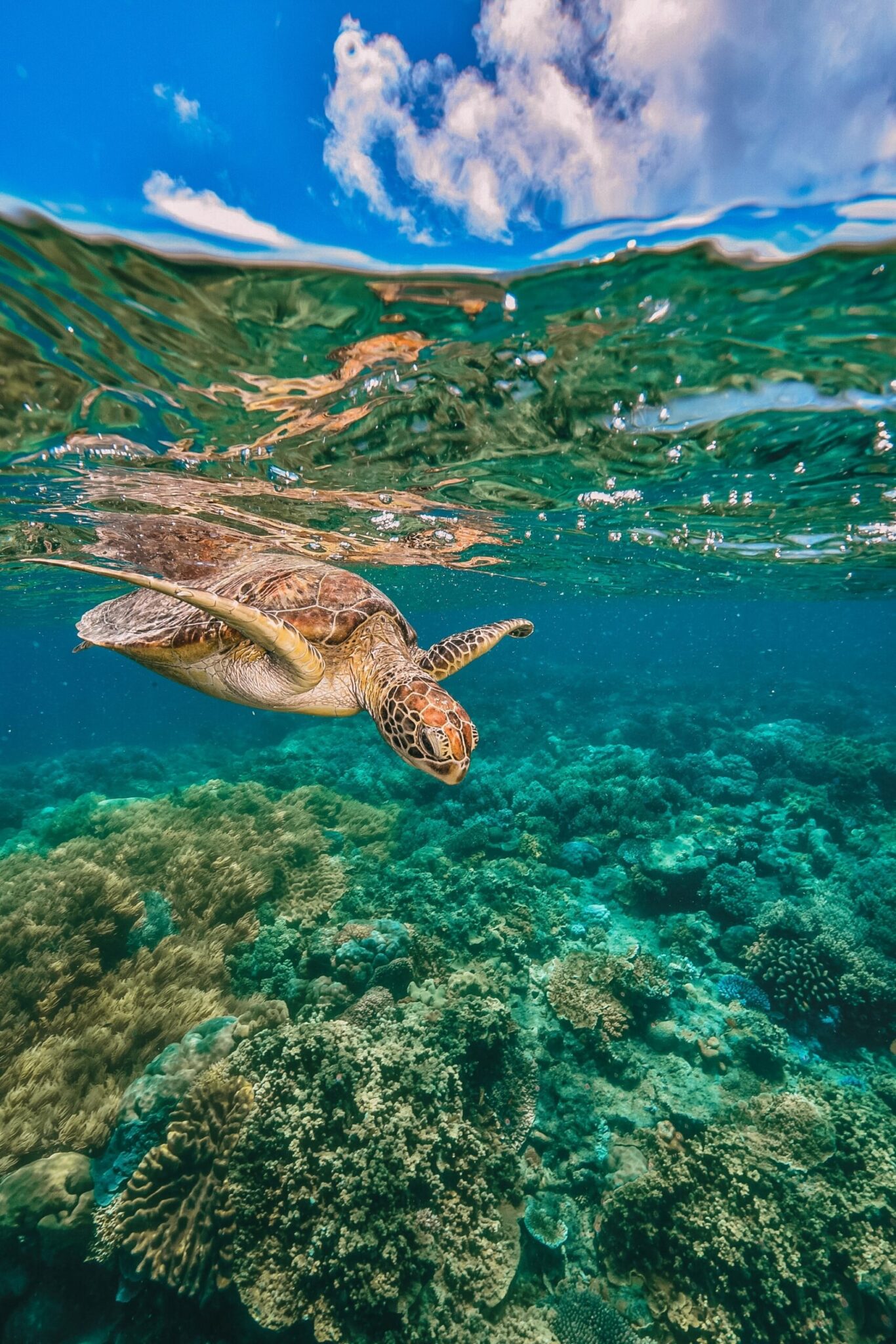
Discover where and when to encounter sea turtles by luxury yacht across Australia, the South Pacific, Maldives & Southeast Asia with YOTSPACE.